Introduction to the Great Irish Famine and Its Postal Legacy
The Great Irish Famine, also known as the Potato Famine, remains one of the most harrowing episodes in Ireland’s history. Spanning from 1845 to 1852, this catastrophic event led to the death of approximately one million people and the emigration of another million, profoundly reshaping Irish society and diaspora worldwide. Beyond historical texts and monuments, the famine’s memory has been poignantly preserved and commemorated through postage stamps issued by Ireland and other countries. These stamps serve not only as postal utilities but as miniature canvases narrating stories of suffering, survival, and migration.
Historical Background of the Great Irish Famine
Causes and Consequences
The Great Irish Famine was primarily caused by the potato blight, Phytophthora infestans, which devastated the staple crop of the Irish population. The heavy dependence on the potato, especially among the rural poor, made the country vulnerable to such a failure. The famine's impact was exacerbated by social, economic, and political conditions under British rule, including land tenure systems and inadequate relief efforts.
The consequences were devastating: mass starvation, disease, and emigration. The Irish diaspora expanded dramatically, with millions seeking refuge in countries like the United States, Canada, Australia, and Britain. The famine induced profound social changes, influencing Irish national identity and political movements for independence.
Commemoration Through Philately
Philately, the study and collection of stamps, provides a unique lens through which to explore historical events. Since the mid-20th century, Ireland and other nations have issued stamp series commemorating the famine, illustrating key themes such as the tragedy itself, the diaspora, and the resilience of the Irish people. These stamps act as visual narratives, educational tools, and memorials, connecting contemporary audiences with this profound chapter of history.
Irish Stamps Commemorating the Great Famine
Early Commemorative Issues
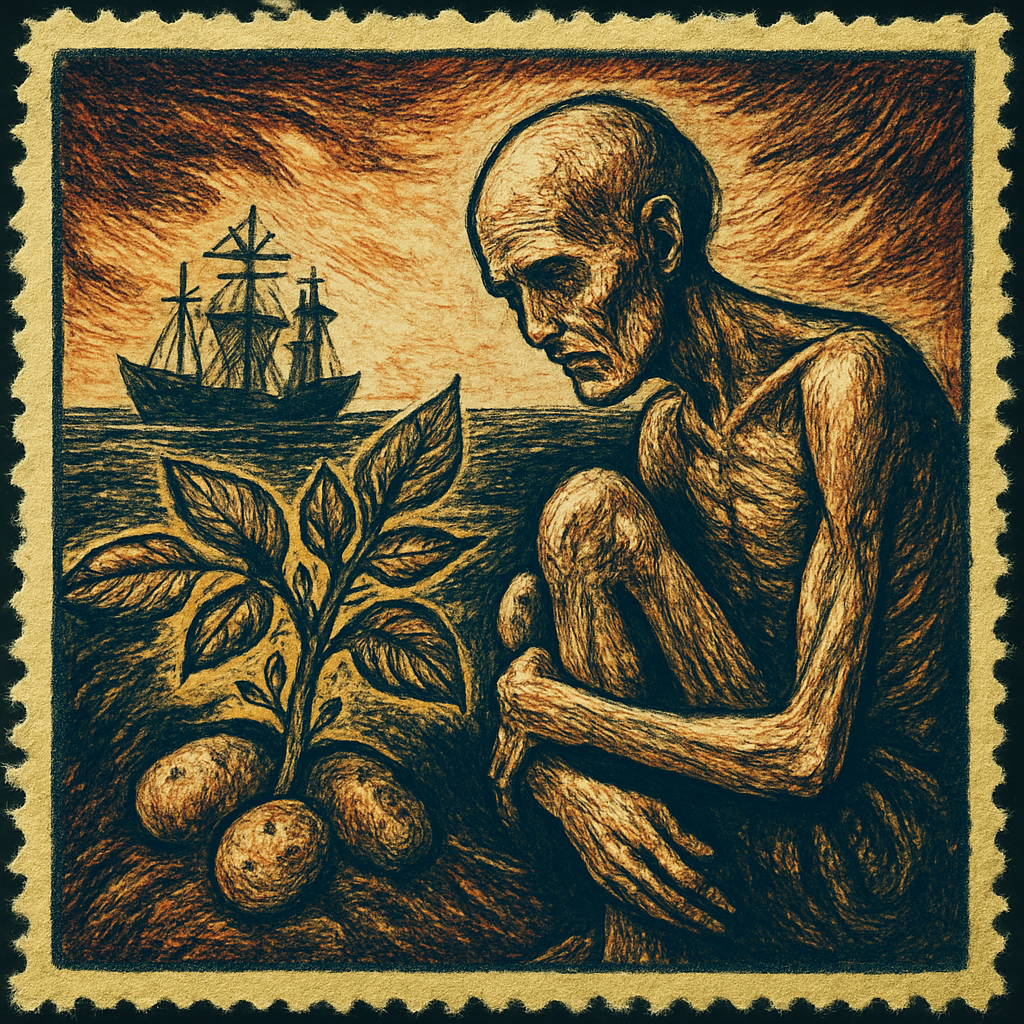
The first significant Irish stamps commemorating the famine appeared in the mid-20th century. In 1947, marking nearly a century since the famine's worst years, Ireland issued a series that highlighted famine relief efforts and the plight of the starving population. These stamps often featured poignant imagery such as emaciated figures, relief ships, and potato plants, symbolizing both devastation and hope.
The 1995 Great Famine Centenary Series
One of the most notable Irish stamp issues commemorating the famine was the 1995 centenary series. This set portrayed various aspects of famine history:
- Relief Efforts: Depictions of soup kitchens and aid workers illustrated attempts to alleviate suffering.
- Emigration: Scenes of ships departing Irish ports captured the mass exodus of famine victims.
- Survivors’ Resilience: Illustrations of rural life and rebuilding symbolized recovery and endurance.
The artistic designs were carefully researched, often based on historical photographs, paintings, and documents, providing collectors with both aesthetic value and historical authenticity.
Modern Issues and Continued Commemoration
In the 21st century, Ireland has continued to issue stamps addressing famine-related themes, often linking past tragedies with contemporary issues such as migration and cultural identity. These stamps serve educational purposes in schools and among philatelists, reminding newer generations of the famine’s legacy.
International Perspectives: Famine Commemorations Abroad
United States and the Irish-American Diaspora
The United States, home to one of the largest Irish immigrant communities, has also issued stamps commemorating the famine and Irish emigration. The 1997 Irish Famine Memorial stamp, for instance, honored the resilience of immigrants who built new lives despite adversity. This issue underscores how philately reflects diaspora experiences and the transatlantic bonds forged by shared history.
Canada and Australia
Similar commemorative stamps have been issued in Canada and Australia, countries that received significant Irish immigrant populations during and after the famine years. These stamps often emphasize themes of migration, integration, and cultural heritage, highlighting how the famine’s impact transcended Ireland’s borders.
Philatelic Exhibitions and Educational Initiatives
International philatelic exhibitions often feature famine-themed collections, showcasing rare and historical famine-related stamps, postal history, and ephemera. These exhibitions educate the public about the famine’s global impact and the role of postal history in preserving collective memory.
Symbolism and Imagery in Famine-Related Stamps
Potato as a Central Motif
The potato, central to the famine’s cause, frequently appears on stamps as a symbol of both sustenance and tragedy. Artistic renditions may include healthy tubers juxtaposed with blighted plants, visually narrating the story of loss and dependency.
Ships and Emigration
Imagery of ships and sea crossings is prevalent, symbolizing the perilous journeys undertaken by famine refugees. These stamps often evoke the emotional weight of forced migration and the hope for a better future abroad.
Faces of Suffering and Survival
Portraits and illustrations of famine victims and survivors personalize the tragedy, fostering empathy and humanizing historical statistics. They remind collectors and viewers that behind each number was a life changed irrevocably.
Collector Tips for Famine-Related Stamps
Identifying Key Issues and Rarities
Collectors interested in famine-related stamps should focus on key commemorative issues from Ireland and countries with significant Irish diasporas. Early famine-related stamps, limited edition prints, and first day covers can be particularly valuable.
Condition and Provenance
As with all philatelic material, condition is paramount. Mint condition stamps, especially those with original gum and no faults, command higher prices. Collectors should also seek provenance information to authenticate rare items.
Building Thematic Collections
Creating a thematic collection centered on the Great Irish Famine can be rewarding. Combining stamps, postal history such as famine relief mail, and related ephemera like postcards and commemorative covers enriches the narrative and adds depth.
Resources for Research and Authentication
Philatelic societies, auction houses specializing in Irish stamps, and museums with Irish history collections offer valuable resources. Online databases and catalogues can help identify and verify famine-related issues.
Interesting Anecdotes and Historical Facts
- During the famine years, some relief agencies issued special postal markings to indicate food aid shipments, which are now prized by collectors.
- The Irish famine is one of the few historical tragedies commemorated extensively through stamps by multiple nations, reflecting its global significance.
- A popular famine commemorative stamp design once featured a potato plant rendered in microscopic detail, highlighting the scientific cause of the blight.
- Some famine-related stamps have been used in political campaigns to raise awareness about modern hunger and migration crises, linking past and present.
Conclusion
Stamps commemorating the Great Irish Famine do much more than facilitate communication; they encapsulate a pivotal human catastrophe marked by suffering, endurance, and transformation. Through the philatelic lens, collectors and historians gain insight into the famine’s profound legacy, the Irish diaspora’s resilience, and the enduring power of visual storytelling. As miniature historical documents, these stamps keep alive the memory of a tragedy that shaped Ireland and the world, inviting reflection and education for generations to come.