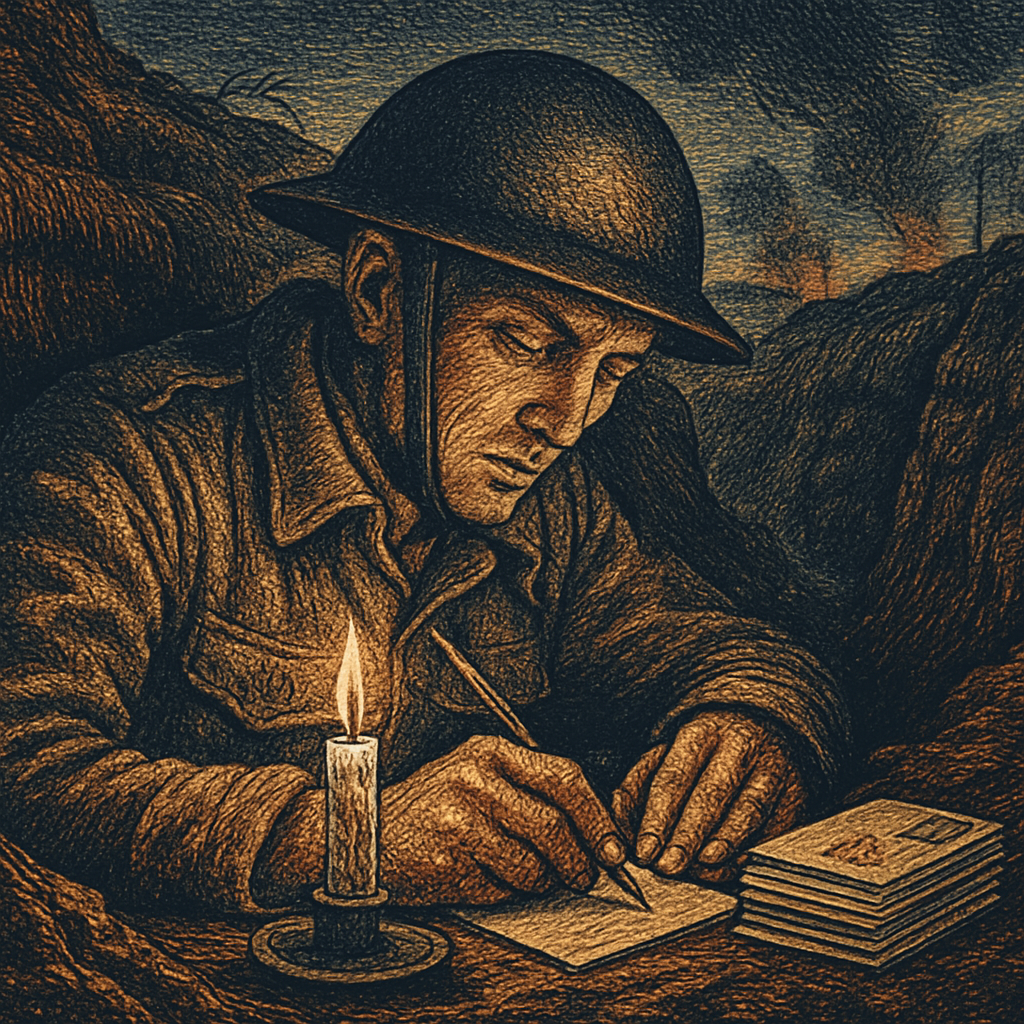
Introduction to Postal Communication in World War II
During World War II, stamps and postal services played a pivotal role far beyond mere communication tools. They became essential lifelines connecting soldiers on the front lines with their families back home, carriers of morale-boosting messages, and instruments reflecting the political and social climates of the time. This article explores the multifaceted role of stamps during WWII, revealing how postal history offers unique insights into the lives of those involved in the conflict and the broader wartime experience.
The Importance of Mail in Wartime
In an era before electronic communication was widespread, mail was the primary method for soldiers to maintain contact with loved ones. Letters provided emotional support, conveyed vital information, and served as a tangible reminder of home amid the chaos of war. Postal services worked tirelessly to ensure that these messages reached their destinations despite the logistical challenges posed by global conflict.
Mail as a Morale Booster
The psychological impact of receiving letters from home was immense for soldiers. These correspondences kept spirits high and helped soldiers endure the harsh realities of battle. Families eagerly awaited news, clinging to every word as a connection to the front lines. The postal system, therefore, was not just a communication channel but a crucial morale lifeline.
Stamps and Postal Designs Reflecting Wartime Sentiments
Stamps issued during World War II often featured patriotic themes, propaganda messages, and symbols designed to inspire unity and resilience. Governments used these miniature canvases to promote national pride, encourage enlistment, and support war efforts.
Iconography and Symbolism in WWII Stamps
Many stamps portrayed national heroes, military equipment, and emblematic imagery such as flags, eagles, and victory symbols. For example, the United States released stamps bearing images of President Franklin D. Roosevelt and the iconic "Win the War" slogan. Similarly, British stamps featured the image of King George VI alongside messages encouraging perseverance.
Special Wartime Issues and Commemorative Stamps
Several countries issued special series during the war years to commemorate battles, alliances, or significant events. These limited-edition stamps now serve as historical artifacts encapsulating the era's spirit. Collectors highly prize such issues for their historical value and artistic merit.
Censorship and Security Measures in Wartime Mail
Given the sensitive nature of wartime communication, censorship was rigorously applied to letters and parcels. Military authorities feared that intercepted mail could reveal strategic information or damage morale if negative news spread unchecked.
How Censorship Was Implemented
Mail was routinely opened and read by censors before forwarding. Sensitive content was redacted or letters withheld altogether. Special censor markings and stamps often appeared on envelopes, indicating official inspection. While frustrating for correspondents, these measures were deemed necessary to protect operational security.
Impact on Soldiers and Families
Censorship sometimes led to misunderstandings and delays, but most accepted it as part of wartime sacrifice. It also influenced how letters were written, with correspondents avoiding details about locations or military activities. This created a unique style of communication filled with coded language and euphemisms.
Field Post Offices and Military Postal Services
To facilitate the flow of mail, armies established dedicated field post offices close to combat zones. These mobile units managed huge volumes of letters and parcels under difficult conditions.
Organization and Logistics
Military postal services were highly organized, with personnel trained to handle mail efficiently despite fluctuating front lines and battlefield hazards. They ensured mail delivery was as timely as possible, often under fire or adverse weather.
Unique Postal Markings and Cancellations
Field post offices used distinctive postmarks and cancellations, which have become valuable to philatelists. These marks help trace the movements of military units and reveal fascinating details about the war’s geography and timeline.
Mail from Prisoners of War and Internment Camps
Stamps and letters from prisoners of war (POWs) provide poignant insights into the hardships endured. POW mail was strictly regulated and censored but remained a vital means of communication.
The Role of the Red Cross and Neutral Organizations
Organizations like the International Red Cross facilitated mail exchanges for POWs, ensuring humane treatment and contact with families. Special postal arrangements and stamps were sometimes used for this purpose.
Collecting POW and Internment Camp Stamps
Such mail items are rare and sought after by collectors for their historical significance and emotional depth. They tell stories of resilience and hope amid adversity.
Collector Tips: Building a WWII Postal History Collection
For enthusiasts interested in WWII postal history, there are several avenues to explore:
- Focus on Specific Themes: Consider concentrating on particular aspects such as censorship markings, field post office cancellations, or propaganda stamps.
- Research Provenance: Authenticity and historical context increase the value and interest of items. Verify origins and usage where possible.
- Preserve Condition: Handle stamps and covers carefully to maintain their condition, storing them in acid-free albums and protective sleeves.
- Leverage Expert Resources: Utilize philatelic societies, wartime postal history books, and online forums to deepen knowledge and connect with other collectors.
Interesting Anecdotes from Collectors
Many collectors have uncovered fascinating stories through wartime mail. For example, letters censored for revealing troop movements inadvertently provide clues to historians. Some covers bear rare field postmarks from short-lived military campaigns, making them prized rarities.
The Legacy of WWII Postal History
The stamps and mail from World War II remain enduring testaments to human resilience, communication, and the complexities of wartime life. They offer a window into the emotions, challenges, and daily realities faced by millions during one of history's most tumultuous periods.
For modern collectors and historians, these artifacts preserve invaluable narratives that enrich our understanding of the past and honor those who lived through it.
Conclusion
Stamps and postal services during World War II were far more than tools for sending letters; they were vital instruments of connection, propaganda, security, and historical record. From morale-boosting designs and strict censorship to the tireless work of military postal units, the postal history of WWII encapsulates the era's complexity. Collectors and historians alike continue to find rich stories within these small pieces of paper, which continue to speak volumes about the human experience during wartime.